Safe Cliff Edge Rest Spots and Viewpoints
Breathtaking views from established overlooks with proper safety features. Each spot's best time to visit, where to sit comfortably, and what you'll see from there.

Why These Viewpoints Matter
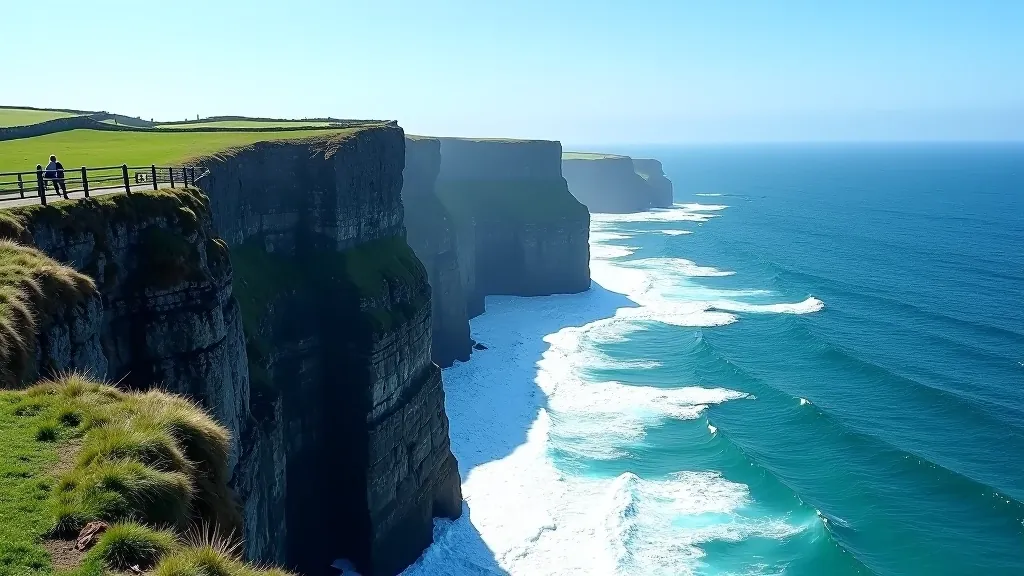
Inishmore's cliff edges offer some of Ireland's most stunning views. You'll see the Atlantic stretching endlessly, the neighboring islands of Inishmaan and Inisheer, and on clear days, the Twelve Bens mountains on the mainland. But here's the thing — these aren't casual lookouts. We're talking about drops of 300 feet or more in places. That's why we've mapped out the safest spots where you can actually sit down, take your time, and soak in the view without constantly worrying about your footing.
Every spot listed here has been tested. We've walked them ourselves, assessed the railings, checked where you can comfortably rest, and noted the best times to visit when crowds are lighter. Whether you're looking for a quiet place to sit with a cup of tea or you want dramatic photography, we've got something for you.
What You'll Find
- 5 safe, established viewpoints
- Best times to visit each location
- Where to sit comfortably
- Parking and access details
- What to bring and expect
Dun Aengus Upper Plateau
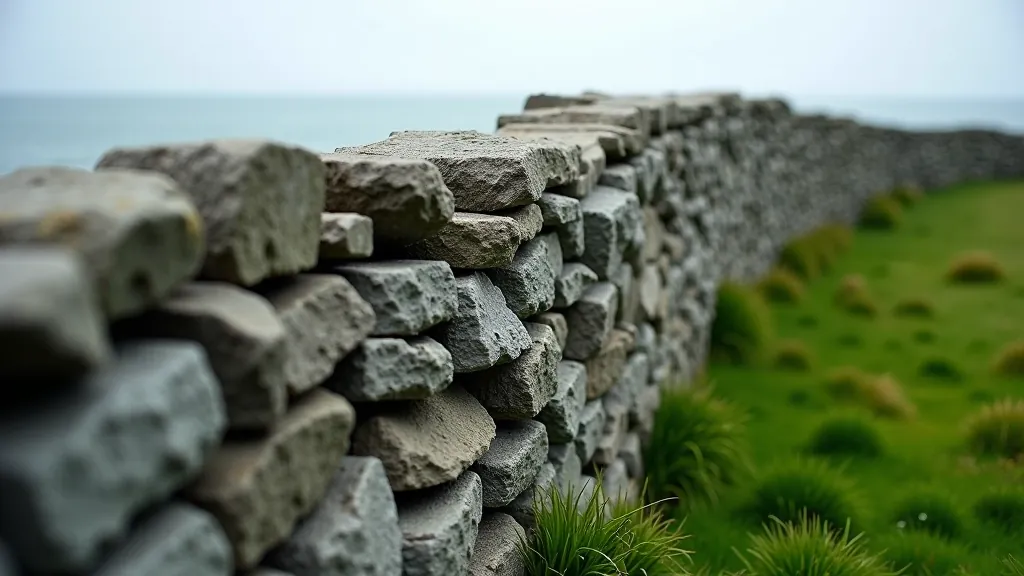
This is the main attraction, and honestly, it's worth the visit. The upper plateau at Dun Aengus sits at 213 feet and offers views that stretch for miles. There's a proper stone wall fence running along the cliff edge — it's been there for centuries and it's sturdy. You've got established walking paths, benches in a few spots, and enough space that you're not standing shoulder-to-shoulder with other tourists even during peak season.
The best time? Early morning, around 8 or 9 AM. You'll beat the tour buses and have the place nearly to yourself. The light is softer, and you can actually hear the waves hitting the rocks below instead of everyone chattering around you. There's a café at the visitor center where you can grab a tea before heading out, and restrooms are available. The walk from the visitor center is about 15 minutes on a gentle uphill path — nothing steep, but wear shoes with grip.
Parking at the Dun Aengus visitor center is straightforward. There's a proper car park with accessible spots near the entrance. Entry fee is €5 per person, and you get access to the visitor center facilities. Bring a jumper — it's windy up there, and wind can surprise you. We've seen people arrive in summer expecting warm weather and end up shivering. A light windbreaker makes all the difference.
Seven Churches Coastal Path
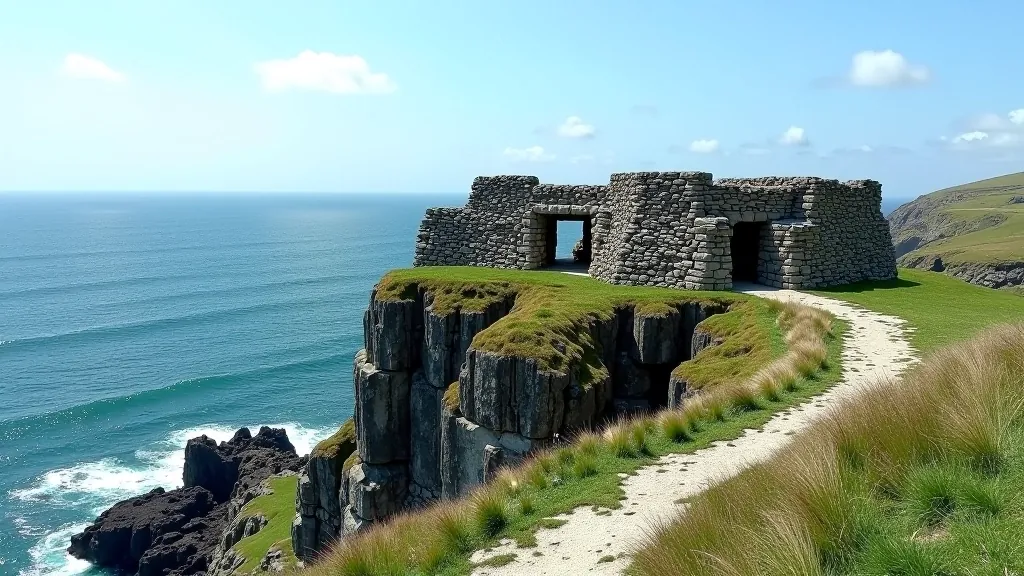
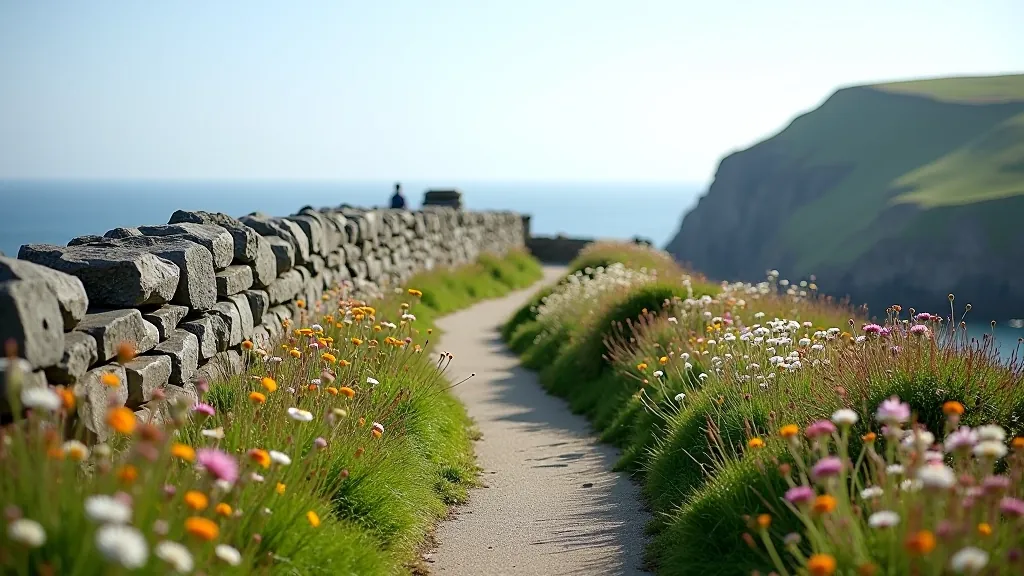
If you want something quieter than Dun Aengus, this is your spot. The coastal path near the Seven Churches archaeological site is less crowded, and honestly, we prefer it. The walk itself is straightforward — about 2 kilometers along an established path with a low stone wall on your left (the safe side, away from the cliff). The view opens up gradually as you walk, and you'll pass several small bays where the water gets a brilliant turquoise color when the sun hits it right.
There are natural stopping points along the way where you can sit on rocks (they're smooth, worn by decades of visitors) and just watch the water. You won't find benches here, so bring a small cushion if your knees prefer it. The walk takes about 45 minutes at a leisurely pace, and you can turn back whenever you want. No entrance fee, no visitor center, no crowds. Just you, the path, and the ocean.
Parking is limited near the start of the path — there's a small informal area for about 6-8 cars. Go early in the day or late afternoon when the tour groups have left. Best visited between May and September when the weather is most reliable. Wear sturdy shoes because the ground can be uneven, and bring water. There's no shelter out here, so if clouds roll in, the wind picks up quickly.
Important Safety Information
The viewpoints and rest spots described in this guide are intended for informational and educational purposes. While we've identified locations with established safety features, weather conditions, tide levels, and personal physical ability vary considerably. We recommend assessing each location yourself before settling in, staying behind all safety barriers and walls, and exercising caution in windy conditions. If you have mobility concerns or balance issues, consult with a healthcare provider before attempting cliff-edge walks. Always check local weather forecasts before visiting, and consider bringing a companion. This information represents conditions as of June 2026 and may change due to weather damage, maintenance, or other factors.
Worm Hole and Brannock Bay
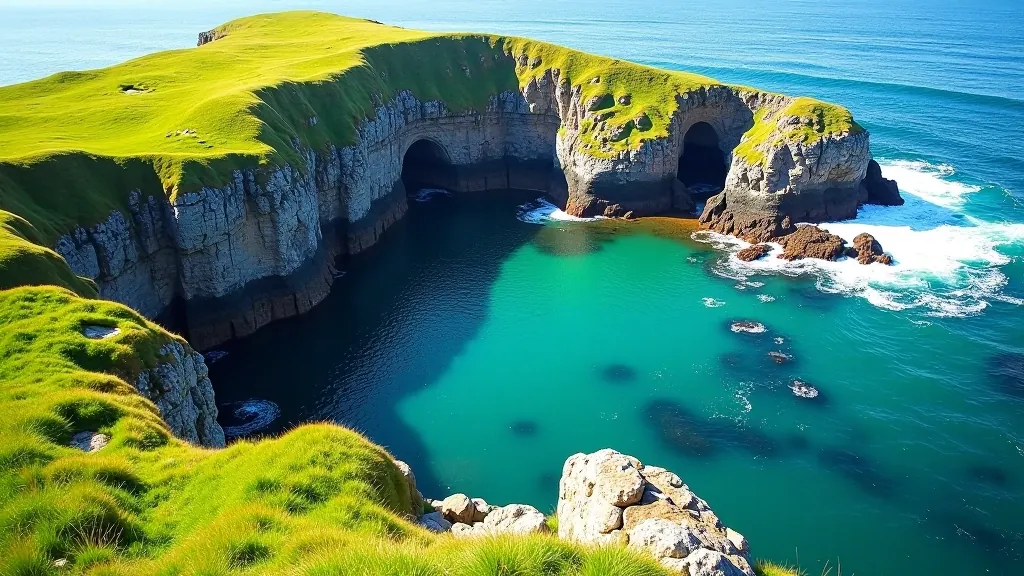
This is the spot if you want something completely unique. The Worm Hole (Brannock Bay) is a rectangular pool of seawater that sits in the rock just offshore. It looks like something from another planet. You don't sit right at the edge here — instead, you stand back on the grassy bluff above it and take in the view. The vantage point is perfect because you're not directly over the water, and the grass gives you a safe buffer zone.
The light changes dramatically throughout the day at this spot. Morning sun makes the water look almost black. Afternoon light catches it differently and reveals the blue. If you come on a day with rough seas, you'll see white water churning in the pool — it's dramatic and a bit mesmerizing. Plan to spend 20-30 minutes here just watching. It doesn't feel rushed like some of the more touristy spots.
Getting here requires a short walk from a small parking area — about 5 minutes on an easy path. The ground is grassland, so it can be muddy after rain. No facilities here at all, so use the restroom before you arrive. Bring sunscreen; the reflection off the water intensifies the sun's rays. Best visited in afternoon when the light is richest and tour groups have thinned out.

Practical Tips for Your Visit
Bring tea in a thermos. Seriously. None of these spots have cafés, and there's something about sipping warm tea while you're watching the Atlantic that just settles you. We've found that a good thermos keeps drinks hot for 4-5 hours, so you're set for a proper half-day excursion. Pack a light snack too — nothing heavy. Biscuits, a banana, some cheese and crackers. You'll want something to do with your hands while you're sitting.
Wear layers. We can't stress this enough. The weather on Inishmore changes faster than anywhere else we've visited. You might start out in bright sunshine and end up in mist and wind within an hour. A lightweight jumper and a windbreaker are non-negotiable. And bring a hat. Not just for sun protection — the wind can be relentless, and a hat keeps you grounded and comfortable.
Tell someone where you're going and roughly when you'll be back. Mobile reception is patchy in places, so don't rely on your phone for navigation. Download offline maps before you arrive. Bring more water than you think you'll need — you'll be surprised how thirsty you get with the combination of wind, sun, and ocean spray. And don't forget a walking stick or trekking pole if you have one. It helps with balance on uneven ground and gives you confidence on narrow paths.
Making the Most of Your Time
These cliff edge spots aren't just about the view. They're about the feeling you get when you're standing on an island in the middle of the Atlantic, surrounded by nothing but sky and water. It's quieting. Most people who visit these places come back talking about how the experience shifted something in them — how the scale of the landscape put their worries into perspective. That's what we're after when we recommend these spots.
The key is giving yourself time. Don't rush from one viewpoint to the next checking boxes. Pick one or two, settle in, bring your tea, and just be there. Sit for an hour if you can. Watch the light change. Notice how the sound of the waves shifts with the wind. These moments are why you've made the journey to Inishmore.
Visit during shoulder season — May or September — if you can. The weather is stable enough, the light is beautiful, and you'll avoid the peak summer crowds. Go early in the day. Come prepared with proper footwear, layers, and water. And remember that these places have been welcoming visitors for decades. The paths are established, the walls are solid, and thousands of people visit safely every year. You'll be fine. Enjoy the view.