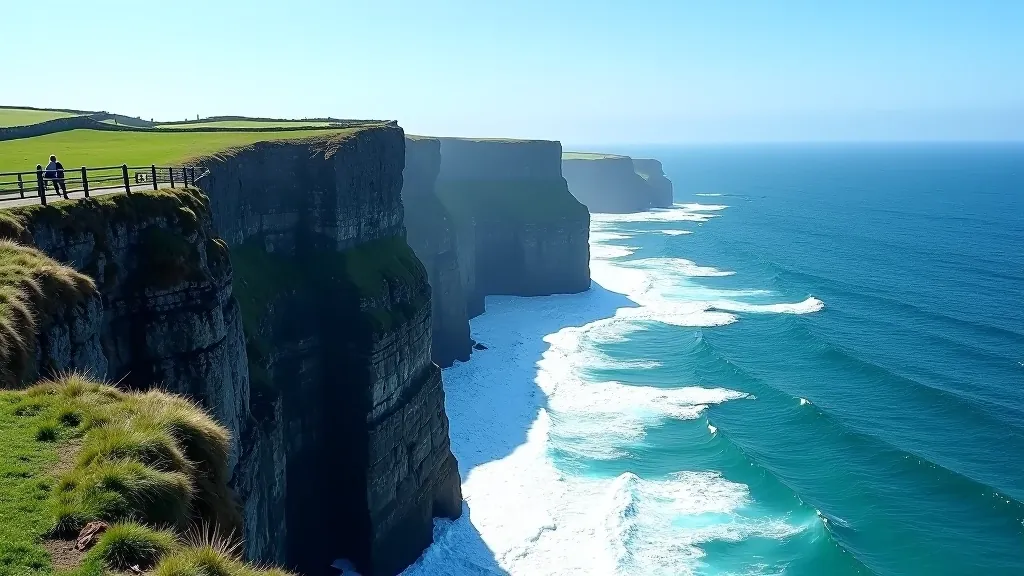

Best Gentle Walking Routes on Inishmore
Flat paths and easy trails that don't require climbing. We've tested each route for accessibility and pace.
History comes alive at Dun Aengus and smaller forts nearby. Don't miss the quieter spots where you can sit and absorb the atmosphere without crowds.
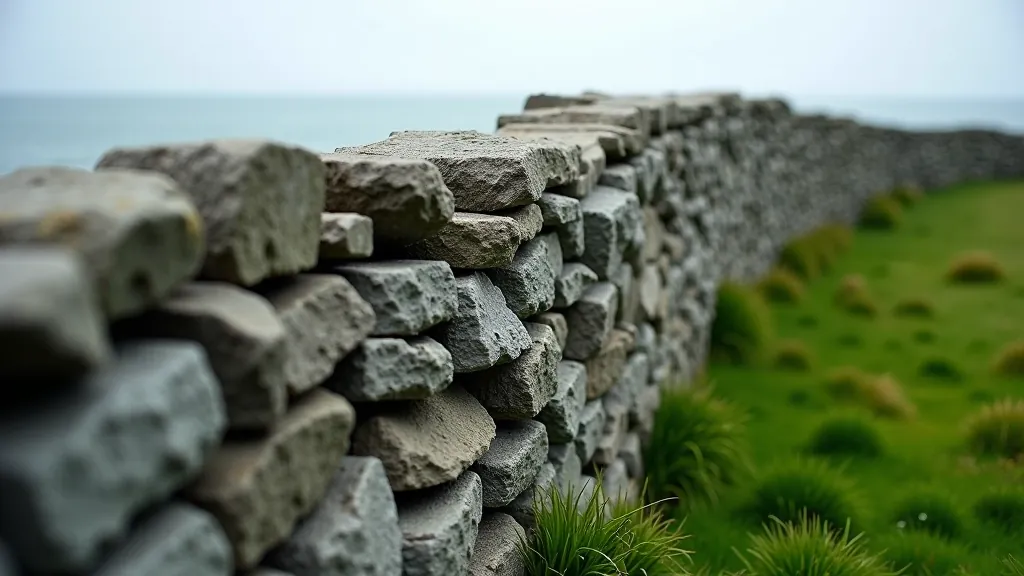

Inishmore's stone forts aren't just impressive structures — they're windows into how people lived over a thousand years ago. The walls tell stories without needing a guide or rushing through crowds. You'll move at your own speed, stop whenever you want, and experience something genuinely special.
Whether you've got two hours or half a day, there's a way to explore that works for you. Some forts are easier to reach than others. Some sit in busy spots, others in peaceful corners. We've mapped out what you'll find and how to make the most of your time.
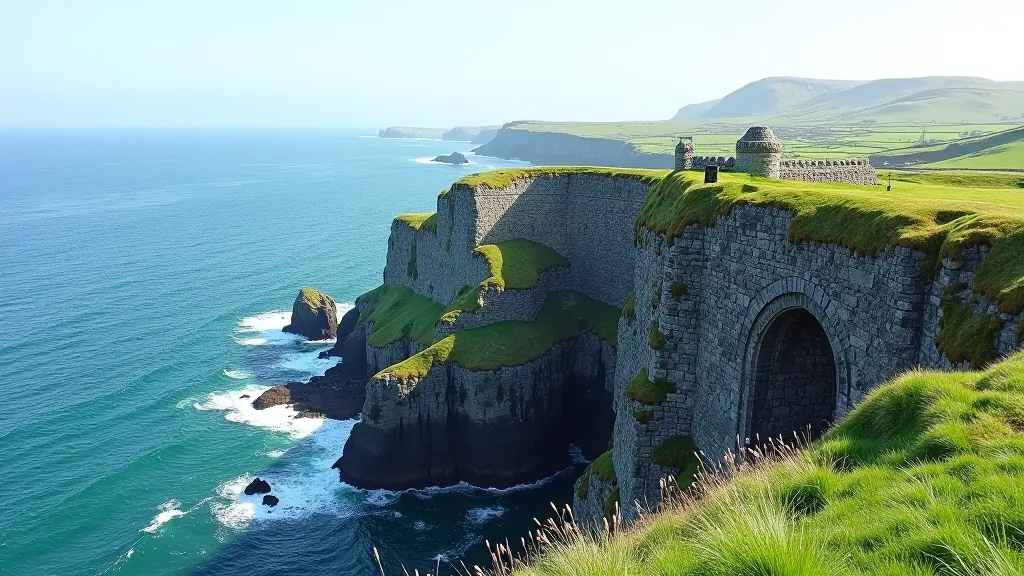
This is the big one. Built around 1100 BC, Dun Aengus sits on a cliff edge about 280 feet above the Atlantic. You'll see why it's famous the moment you arrive. The scale is genuinely impressive — semicircular walls stacked 18 feet high, and you can walk right through the center where people once lived.
Here's what matters: it gets crowded in summer afternoons. We're talking tour groups, families, everyone. If you want a quieter experience, go early — before 10 AM — or late afternoon around 4 PM. You'll have space to breathe and actually sit without feeling rushed.
The walk up takes about 10 minutes from the car park. It's not steep, but it's uneven ground. Wear decent shoes. Inside the fort, you've got benches where you can sit and just absorb the atmosphere. The view of the cliffs and ocean from the walls is worth the trip alone.
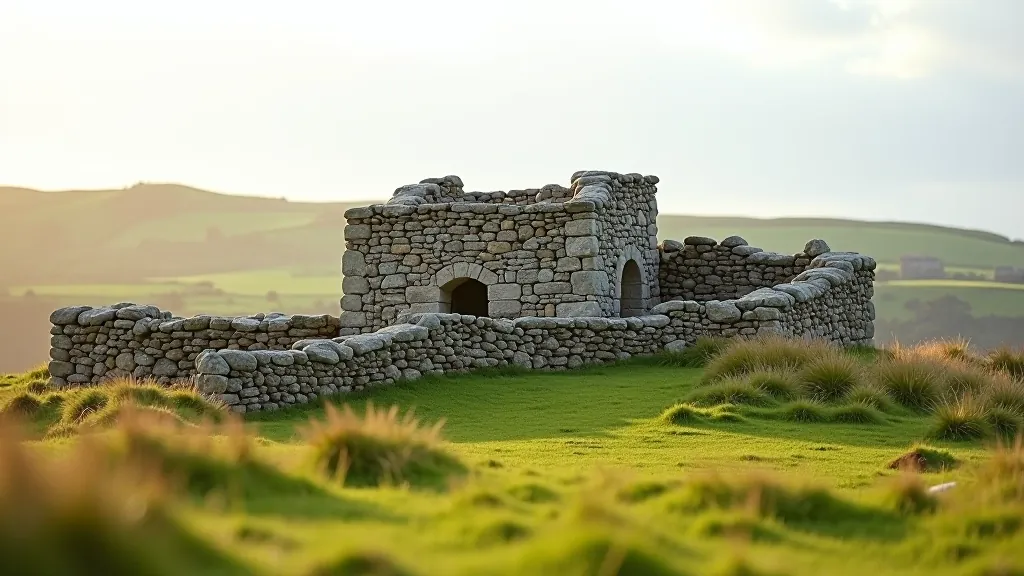
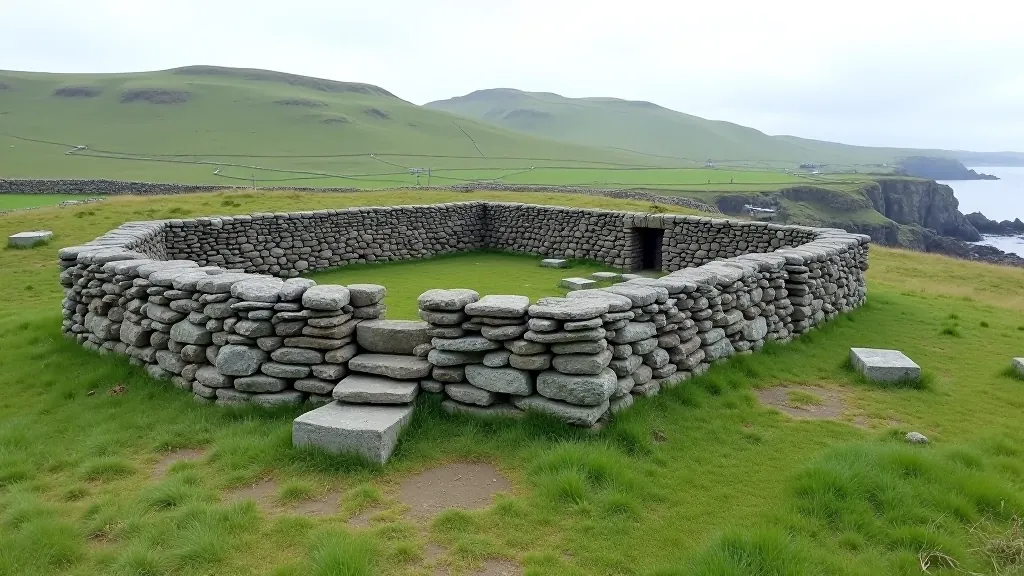
Not everything on Inishmore is crowded. Dun Eochla and Dun Eoghanachta are smaller, less visited forts that give you that peaceful exploration feeling. Dun Eochla's a bit easier to reach — about a 15-minute walk from the road. The fort sits in the middle of fields with hardly anyone around.
Dun Eoghanachta requires more of a walk, maybe 25-30 minutes from the nearest point. It's worth it if you're up for it. You'll feel like you've discovered something genuinely untouched. The walls are lower than Dun Aengus, but the quiet atmosphere more than makes up for it. Bring water and take your time.
These smaller forts don't have facilities, so plan ahead. Use the bathroom in the village before you go. There's no shade, so sun protection matters even on cloudy days. But that's part of the authentic experience — just you, the stones, and the landscape.
Early mornings and late afternoons are your friends. Dun Aengus gets busy between 11 AM and 3 PM. If you're visiting June through August, go early. Shoulder seasons (May and September) are less crowded all day.
Comfortable walking shoes with good grip (stones can be slippery). A light jacket even in summer — it gets windy up on the cliffs. Water and snacks. Sunscreen and a hat. That's honestly all you need.
You don't need to see everything in one day. Pick one or two forts and explore properly. Spend time sitting, looking at the views, imagining what life was like there. That's worth more than checking off a list.
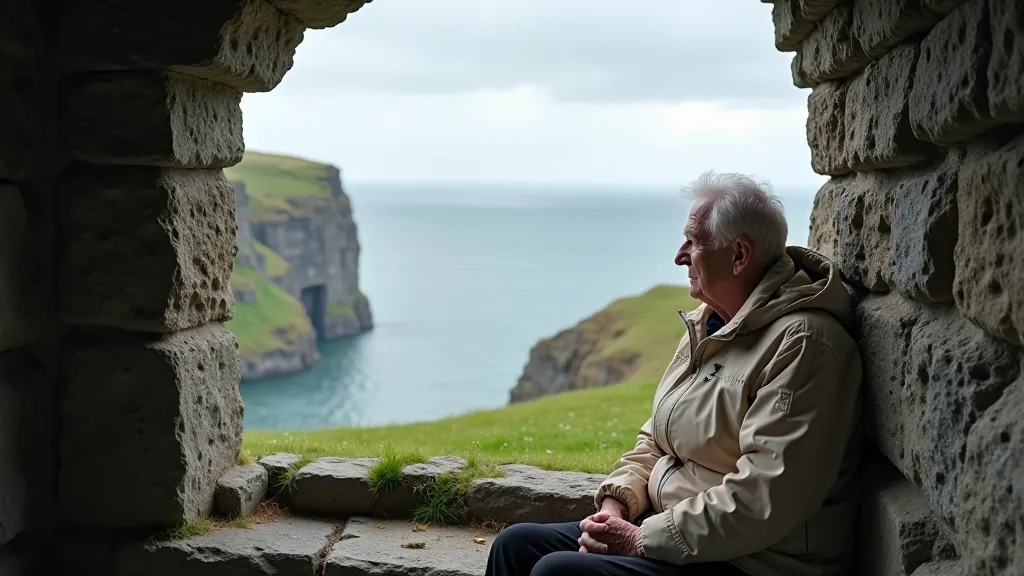
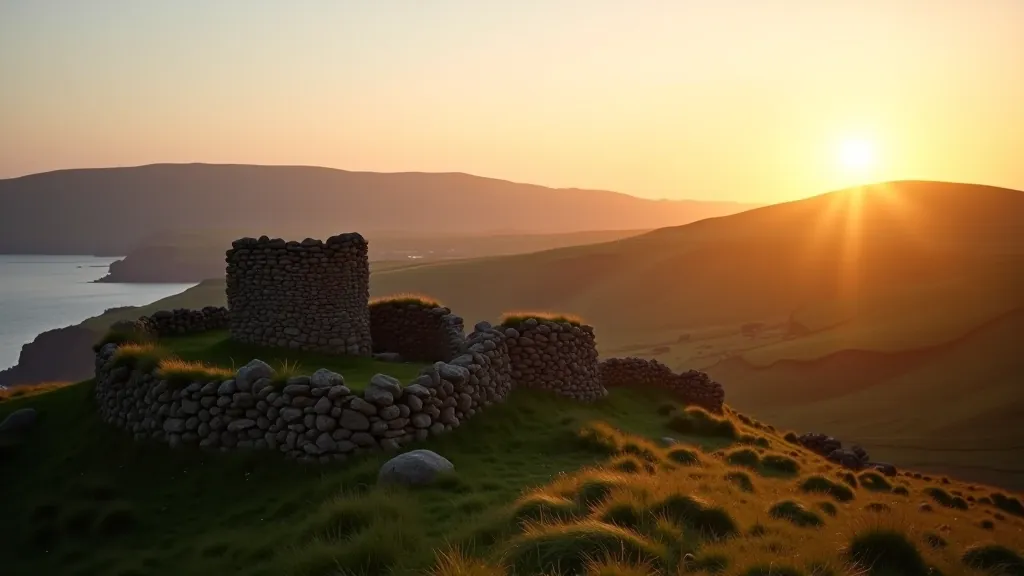
Stone forts aren't museums you check off. They're places where you can actually feel history. When you're sitting on a wall built a thousand years ago, looking at the same ocean view, you're connecting with something real. That only works if you slow down enough to let it happen.
You'll notice details you'd miss rushing through. The way stones fit together without mortar. How the fort's positioned to catch the wind. The wildflowers growing through cracks. Little moments that make the experience stick with you.
Inishmore isn't going anywhere. Neither are these forts. They've been here for over a thousand years. You've got time. That's the whole point of exploring at your own pace.
This guide is informational and based on current conditions as of June 2026. Stone forts sit in exposed locations on cliff edges. Weather can change rapidly — check forecasts before visiting. Wear appropriate footwear and be cautious near cliff edges. Some walking surfaces are uneven and potentially slippery. If you have mobility concerns, consult with local guides who can advise on accessibility. Always respect the archaeological sites and surrounding landscape.